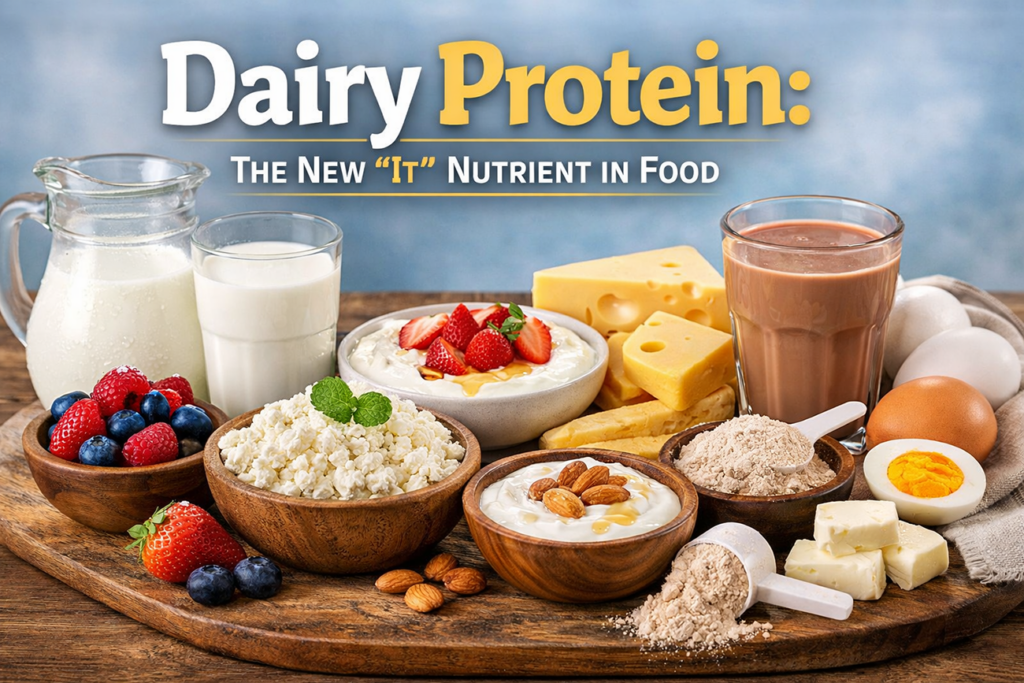
In kitchens and grocery aisles across America, one nutrient is quietly taking center stage: protein. And not just any protein, we’re talking about the kind that comes naturally from milk and dairy foods. From creamy Greek yogurt to a cold glass of milk or a generous scoop of cottage cheese, dairy protein is proving itself as a nutritional powerhouse worth celebrating.
What Makes Dairy Protein Special?
Dairy milk is a complete protein that contains all nine essential amino acids our bodies need but cannot produce on their own. These building blocks are crucial for everything from muscle repair to immune health and metabolic function. In fact, dairy proteins consistently rank among the highest-quality proteins available in food, outperforming many plant sources in both digestibility and nutrient completeness.
But dairy doesn’t stop there. At the heart of milk are two superstar proteins: whey and casein. Whey is the fast-digesting portion that delivers a quick burst of amino acids into your bloodstream, making it perfect for supporting muscle recovery after exercise. Casein is the slower-digesting cousin that forms a gel-like substance in your stomach, providing a sustained stream of nutrients that can support muscle synthesis and keep you feeling full longer.
Why Everyone’s Talking About Protein
Across markets and consumer surveys, protein is a top priority for today’s shoppers. Nearly 40% of people say protein has become more important in their diets over just the past year, and it now ranks nearly as high as reducing sugar when it comes to what consumers look for on a food label. Young adults and busy families alike are embracing protein for its multifunctional benefits: from muscle support to metabolism and even mood.
And dairy is answering that call. Greek yogurt, cottage cheese, and high-protein milk products are showing up everywhere, from lunchboxes to smoothie bowls to innovative new snacks. Some products now offer 15–20 grams (or more!) of protein per serving, rivaling even traditional protein supplements, often with superior taste and versatility.
Health Benefits Backed by Science
Research has long shown that high-quality protein can benefit your health in multiple ways. Dairy protein, in particular, has been linked to improved appetite control, helping to reduce hunger and support healthy weight management. It’s also key to maintaining lean muscle mass as we age: a factor that contributes to strength, mobility, and overall well-being.
For athletes and everyday active people alike, dairy protein delivers big results. Consuming just 20 grams of whey protein after resistance exercise has been shown to stimulate muscle protein synthesis which is essential for recovery, performance, and growth. And because casein releases amino acids slowly, it’s ideal before bedtime or between meals when long-lasting nutrition is needed.
But dairy protein’s benefits go beyond muscles. It also plays a role in energy metabolism, immune function, and even appetite regulation through hormones like GLP-1, which helps control blood sugar and keep cravings at bay.
Everyday Ways to Enjoy Dairy Protein
The best part? You don’t need to be a bodybuilder to reap the benefits of dairy protein. Here are some simple ways to add it to your day:
- Morning Power-Up: Stir Greek yogurt into your oatmeal or parfait with fruit and granola.
- Snack Smart: Enjoy cottage cheese with fresh berries or savory seasonings.
- Fuel Your Workout: Sip a glass of chocolate milk post-exercise, a tasty way to hydrate and refuel.
- Family Favorites: Add milk to smoothies, baked goods, or homemade popsicles for a nutrition boost.
Dairy protein is more than just a trend, it’s a nutrient with real, science-supported benefits that can help people of all ages thrive. From supporting muscle and metabolism to keeping you satisfied between meals, the protein in milk, yogurt, and cheese is versatile, delicious, and undeniably effective. Whether you’re fueling active days, supporting healthy aging, or just looking for wholesome nourishment, dairy protein deserves a place at your table.
Sources: