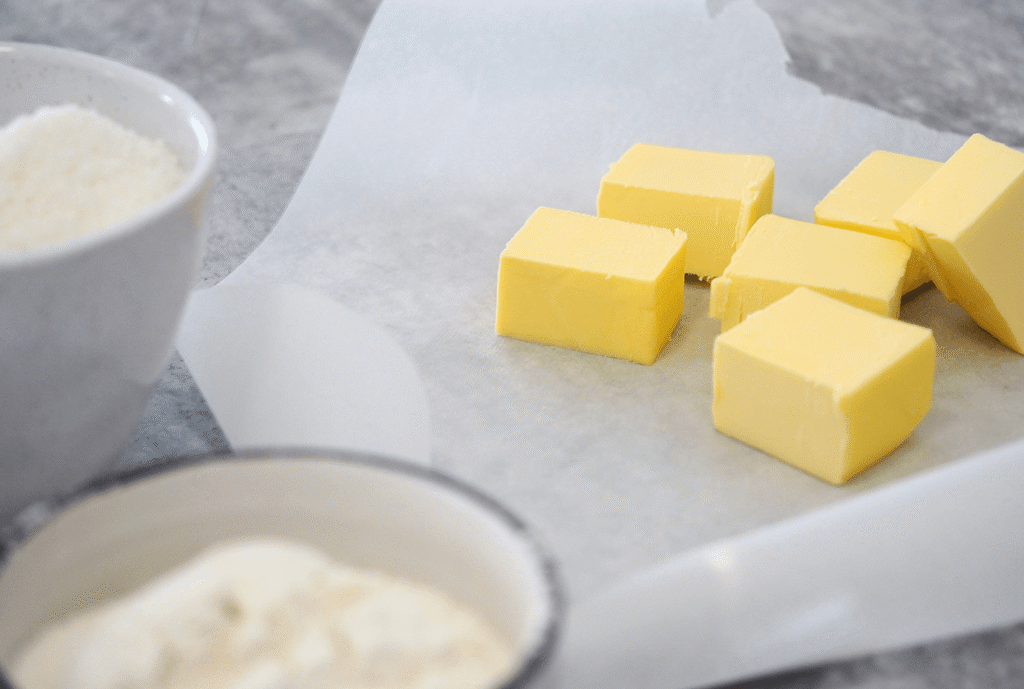
Homemade butter and yogurt are two of the easiest DIY recipes you can try, and both yield delicious results. Neither require special equipment or ingredients, just a carton of cream or a jug of milk and some time.
Why Make Your Own?
Homemade butter and yogurt have a fresh, rich taste and just a few simple ingredients. Home cooks love the ability to customize each to their family’s tastes. Plus, making both is a fun and easy project to do with kids or teens learning to cook.
How to Make Homemade Butter
You’ll need: 1 pint of cold heavy whipping cream, a stand mixer or hand mixer, a strainer, and optional salt. One pint yields about 1 cup of butter plus 1 to 1¼ cups of buttermilk (great to make homemade pancakes!).
- Start whipping. Pour the cream into your mixer bowl and beat on medium, then medium-high speed. It will pass through the whipped cream stage first, so keep going.
- Wait for the break. After several more minutes, the mixture will look curdled as yellow butter solids separate from the liquid buttermilk. Don’t stop at whipped cream; let it fully separate.
- Strain. Pour the contents through a fine mesh strainer set over a bowl. Save the buttermilk for baking.
- Rinse. Press the butter under cold water until the water runs mostly clear. This removes leftover buttermilk, which helps the butter keep longer.
- Salt and shape. Knead in salt if you like. Salt also acts as a preservative.
- Store. Because homemade butter has fewer preservatives than store-bought, keep it refrigerated in an airtight container. It keeps about a week in the fridge and can be frozen for longer.
Want more detailed instructions? Check out these three blog posts to learn more about homemade butter: Munchies by Mallory, Lana’s Cooking, Noshing with the Nolands.
How to Make Homemade Yogurt
You’ll need: a half gallon of whole milk, 2 tablespoons of plain yogurt labeled “live, active cultures” as your starter, a heavy saucepan, a thermometer, and a clean container.
- Heat the milk. Warm it slowly to 180°F. This kills competing bacteria and helps the milk proteins set properly.
- Cool it down. Let the milk cool to about 110–115°F. An ice bath speeds this up. If it’s too hot, it will kill your starter. Skim off any film that forms on top.
- Add the starter. Whisk the yogurt starter with a cup of the warm milk until smooth, then stir it back into the pot.
- Incubate. Keep the milk warm, around 110°F, for several hours until thick. Wrapping the pot in a towel and placing it in an oven with only the light on works well. Longer incubation means tangier yogurt.
- Chill. Refrigerate for several hours before eating. For Greek-style yogurt, strain it through cheesecloth to remove extra whey.
Tip: Save a bit of each batch as the starter for your next one, and keep it clean to avoid contamination.
You can find step-by-step instructions here: Tasting Table and The Splendid Table.
Make It Your Own: Flavors and Add-Ins
Once you’ve mastered the basics of homemade butter and yogurt, the fun really begins. Both butter and yogurt are blank canvases for different flavors and add-ins.
Flavored Butter Ideas
Homemade butter is a natural starting point for flavored “compound” butters. After rinsing the butter, you can work in extra flavor right at the end. Some cooks even add herbs, spices, or seasonings to the cream before they start. A few combinations to try:
- Garlic and herb: minced garlic with parsley, chives, or thyme, perfect on steak, corn on the cob, or warm bread
- Honey cinnamon: a drizzle of honey and a pinch of cinnamon for toast, pancakes, or biscuits
- Sea salt and cracked pepper: simple and savory
- Lemon zest and dill: a bright match for fish and roasted vegetables
For a tangier, more European-style flavor, you can also start with cultured cream. Keep in mind that fresh add-ins like garlic and herbs can shorten how long your butter keeps, so make smaller batches of flavored butter and enjoy them soon.
Flavored Yogurt Ideas
Plain yogurt is wonderfully versatile. The key is to customizing your yogurt is timing: sweeteners and fruit are best added after the yogurt has cultured and cooled, since adding them during culturing can interfere with the process. Some ideas:
- Classic vanilla: stir in honey and vanilla for a flavor that’s great on its own, with fresh fruit, or in baking
- Fruit and jam: swirl in seasonal fruit or homemade jam, or layer it in the bottom of a jar for a grab-and-go snack
- Honey and maple: sweeten to taste with honey or maple syrup
- Crunchy toppings: granola, nuts, seeds, or cereal. University of Kentucky Extension notes that yogurt can be flavored with fruit, honey, or cereal
- Savory yogurt: if you cook with yogurt, skip the honey and vanilla and keep it plain; from there, herbs, cucumber, and garlic make a quick tzatziki-style dip
Tip: If you want both sweet and savory options, make a plain batch and flavor individual jars as you go. Single-serve jars with fruit or jam on top also make easy lunchbox additions.
While the butter and yogurt options in the grocery store are limitless, making your own helps you feel like an accomplish chef, and allows you to customize these delicious dairy foods to your own taste. Try your hand at these two simple recipes, you’ll be surprised how fast and fun they are!